
How to Keep Your Dog Safe and Calm During Fireworks
Fireworks might be fun for people, but for many dogs, they’re terrifying. The loud booms, flashing lights, and unpredictable nature of fireworks can turn even the calmest dog into a nervous wreck. As we head into a season of celebrations, here are a few ways to help your dog feel safe and secure when the sky lights up.
1. Create a Safe Space Indoors
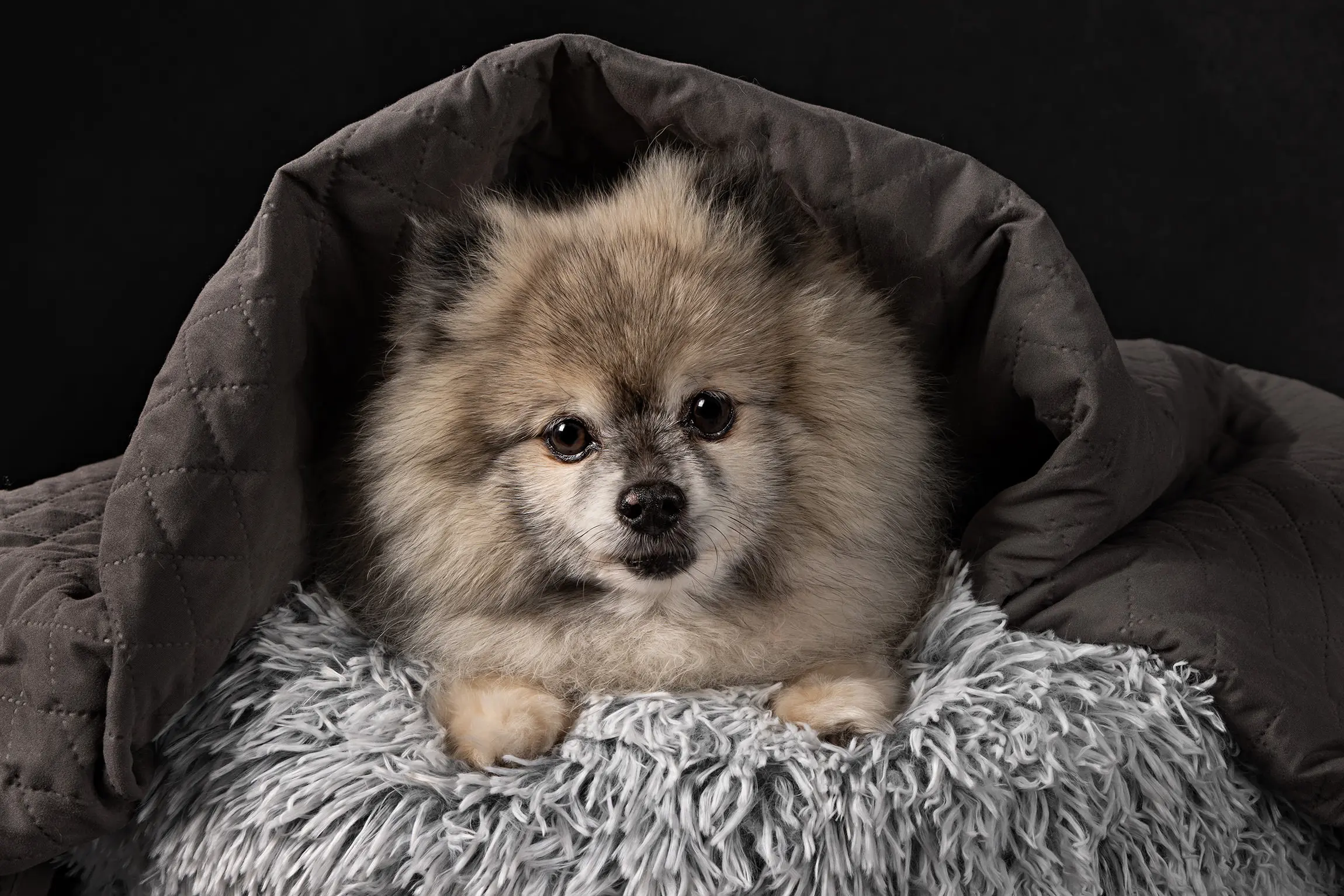
Set up a quiet, cozy spot where your dog can retreat if they feel overwhelmed. This might be a favorite crate with the door open, a bedroom with the blinds drawn, or a quiet corner with familiar blankets and toys. The goal is to give them a space that feels safe and comforting.
2. Muffle the Sound
Close windows and doors to reduce the noise from outside. Turning on a fan, white noise machine, or playing calming music can also help mask the sound of fireworks. Some dogs do better with the TV on at a moderate volume. It gives a sense of normalcy and drowns out the worst of the bangs.
3. Stay Calm Yourself
Dogs take cues from us. If you’re anxious, they’ll pick up on it. Stay calm, speak in a soothing voice, and act as normally as possible. Offer comfort if your dog seeks it out, but avoid reinforcing fearful behavior. It’s a balance: let them know they’re not alone without making a big fuss.
4. Use Tools if Needed
There are a few helpful tools out there that can take the edge off for noise-sensitive dogs. Some pet parents use compression wraps (like a ThunderShirt), calming treats, or diffusers with calming scents like lavender, chamomile, and vanilla. If your dog has extreme anxiety, it might be worth talking to your vet about a temporary medication for the holiday. If trying a new medication, it is also important to test it out prior to needing it, in case your dog has a negative reaction.
5. Don’t Leave Them Alone
If fireworks are expected, try to stay home or arrange for someone your dog knows and trusts to be with them. Dogs left alone when they’re scared can panic, potentially hurting themselves or damaging your home in an attempt to escape the noise.
6. Exercise Before the Fireworks Start
A long walk or play session earlier in the day can help release excess energy and make your dog more likely to rest later on. A tired dog is often a calmer dog. Don’t try to walk your dog while fireworks are already going off.
7. Keep Doors Closed and Dogs Indoors
When fireworks are going off, don’t leave your dog outside, even in a fenced yard. A scared dog can panic and find ways to escape, even jumping fences or digging under them. Make sure windows and doors are securely closed, and be extra careful when opening doors to the outside. Dogs who are frightened may bolt through an open door in a flash. It only takes a second.
8. Make Sure Tags and Microchips Are Up to Date
If the worst happens and your dog bolts in fear, having current contact information on their ID tag and microchip can make all the difference in reuniting quickly.
Fireworks might be fun for people, but for many dogs, they’re terrifying.
Other Considerations
Fireworks are not the only consideration during celebrations. There are many other hazards that go hand-in-hand with 4th of July, New Year’s, or other fireworks celebrations. Common items include:
- Leftovers and Food Scraps – Table scraps and some foods can cause tummy upset, diarrhea, and vomiting. Other food scraps, such as bones, kabob skewers, corn cobs, and garbage can cause illness, intestinal blockages, or choking.
- Alcohol – Keep alcoholic beverages out of reach of dogs and do not leave your drink unattended. Consumption of alcoholic beverages can cause dangerous neurological symptoms in dogs.
- Citronella Candles and Tiki Torches – Other than the obvious risk of burns, fumes from citronella can cause lung irritation as well as potential nervous system and gastrointestinal issues if ingested.
- Glow Sticks and Necklaces – Ingestion of the chemicals in glow sticks and jewelry is highly toxic. In addition, the ingestion of the plastic can cause intestinal blockage, which may require surgery. NEVER PUT GLOW PRODUCTS ON YOUR DOG.
- Heat and Humidity – Texas is HOT! Protecting your dog from extreme heat is important throughout the year, but the added stress of fireworks and potential over stimulation can compound this risk. Heat stroke in dogs is a life threatening medical emergency. Always be aware of any symptoms, including panting, drooling, and weakness. Keep your dog in grassy shaded areas if outside.
like glow sticks, corn cobs, barbecues, insect repellents, and heat can cause your dog serious harm or stress.
After the Fireworks
After the fireworks, check your yard and walking paths for any leftover debris or unused fireworks before letting your dog out. Some dogs may try to eat them, which is extremely dangerous. Fireworks contain toxic chemicals that can cause vomiting, bloody diarrhea, abdominal pain, tremors, or even kidney failure. If your dog ingests any, call your emergency vet or animal poison control right away.
Celebrating with Care
Fireworks are a part of many traditions, but they don’t have to come at the cost of your dog’s well-being. A little preparation can go a long way toward making sure your pup feels safe and loved during the festivities.
And remember: sometimes the quiet moments at home, with your dog curled up beside you while the world booms outside, are the ones that matter most.